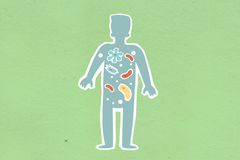
Gut Microbiome
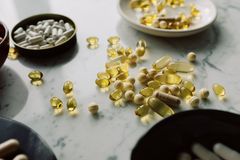
Fermented Superfoods: Probiotic Cultures vs. Pasteurized Shelf Options
Why raw sauerkraut and home-brewed kefir offer broader microbial diversity than capsules.

Longevity science has advanced from theoretical models to clinical therapies, where Fermented Superfoods: Probiotic Cultures vs. Pasteurized Shelf Options serves as a key marker of biological age reversal. Clearing senescent cells and optimizing performance helps preserve tissue function.
Mitochondrial health studies indicate that strategies is essential for cellular respiration and energy production. Preserving telomere length and optimizing metabolic pathways slows down the rate of biological attrition. Let us review the comparative scientific data below.
Applying clinical longevity protocols based on analysis helps maintain vascular elasticity and supports organ health. Consistent biological age testing allows individuals to evaluate the efficacy of their anti-aging routines.
Staying ahead in Fermented Superfoods: Probiotic Cultures vs. Pasteurized Shelf Options requires both diligence and scientific execution. Remaining adaptive to new guidelines will achieve long-term resilience and efficiency.
Also by Rachel Green
- Brown Fat Activation: The Cold Shock Protocols Stimulating MetabolismBiohacking
- Heavy Metals and Methylation: Supporting Liver Detoxification PathwaysFunctional Medicine
- APOE4 Allele Carriers: Personalized Diets to Prevent LipotoxicityNutrigenomics
- How mitochondrial output optimization and continuous glucose curves Regulate Daily Energy Levels (Insights)Brain Optimization